

A Fort Worth pet can slide from heavy panting into real heat stroke in less than thirty minutes once the outside air gets too hot for that breathing to dump any meaningful heat. Dogs and cats both cool themselves by moving warm air across the tongue and airways, so when the surrounding air is almost as hot as their breath, that whole system stalls out. Watch for panting that will not settle, bright red or muddy gums, thick ropey drool, a wobbly walk, vomiting, collapse, and in cats, any open-mouth breathing at all should be treated as an emergency. Move the pet to shade, wet the belly, armpits, and paw pads with cool tap water (skip the ice), aim moving air across the damp coat, and head for a vet, because organ damage from a heat event keeps unfolding for hours after the pet feels cooler to the touch. The faster that core temperature drops in those first minutes, the better the odds your pet walks back out the other side of this.
Fort Worth summers do not mess around, and we see the effects of that intense heat and humidity every year. A hike that went longer than expected, a power outage knocking out your AC, a cat accidentally locked in a hot garage, or a dog who escaped a yard and spent hours running in the sun trying to find their way home: there are many reasons why a pet might tip from “I’m hot” to “I’m experiencing heat stroke”, but all have the same serious consequences. Animal Hospital Southwest runs in-house bloodwork so we can check kidneys, liver, and clotting numbers in minutes instead of next-day, and our team handles same-day heat emergencies for dogs and cats during regular hours. If you want to get ahead of the risk, book an appointment for a senior pet or a smush-faced breed who turns into a puddle every July to learn how to prevent summer emergencies.
Four Rules for a Fort Worth Heat Wave
- Heat stroke is a true emergency where minutes matter, and a pet can go from hard panting to collapse in minutes, so early action changes the outcome.
- Lower body temperature with cool or tepid tap water on the belly, armpits, and paws plus moving air, never ice, an ice bath, or a wet towel draped over the body where heat gets trapped.
- A pet who seems fine after cooling can still develop kidney, liver, heart, or clotting problems over the next one to three days, which is why a vet check matters even when things look better.
- Prevention does most of the work: shade, fresh water everywhere, walks in the cool hours, and never a pet left in a parked car.
Which Red Flags Mean Your Pet Is in Real Trouble?
Real trouble looks like thick ropey drool, a wobbly walk, vomiting, muddy or blue gums, collapse, or seizures. The early signs of heat stroke in pets start subtle, with frantic panting and brighter-than-normal gums, then climb fast as the body loses the fight.
Heat stroke announces itself in stages, and catching the early ones is what buys your pet time. The tricky part is that early heat stress just looks like a hot, tired pet, so the moment to act slips by while everyone assumes it is nothing.
Here is roughly how it escalates:
- Mild, early trouble: Panting that will not settle, restlessness, seeking shade or cool tile, brighter red gums, and a pet who suddenly seems to want a break.
- Moderate, act now: Thick ropey drool, a wobbly or drunken walk, glassy eyes, vomiting or diarrhea, and gums that look muddy or too dark.
- Severe, this is an emergency: Collapse, disorientation, seizures, blue or pale gums, or unresponsiveness. In cats, open-mouth breathing at any point belongs here, because cats almost never pant unless something is very wrong.
If you are watching your pet turn from “mild” to “moderate”, act now. You are already past the point of waiting to see how it goes.
What Should You Do in the First Ninety Seconds When Your Pet Overheats?
In the first ninety seconds, get your pet out of the heat and start cooling them on the way to help rather than instead of it. Move to shade or air conditioning, wet the belly, armpits, and paws with cool tap water, add airflow, and offer small sips if your pet is alert.
There is a reason for those spots in particular. The belly, armpits, groin, and paw pads are where blood runs closest to the skin, so cooling with cool tap water and airflow over those areas pulls heat out of the circulation itself, not just off the coat. Every pass of cooler blood through the core drops the temperature a little further, which is why moving air across damp skin does more than a soaked coat sitting still.
A calm, in-order plan:
- Get out of the heat: Shade, tile floor, or the car with the AC blasting works; anywhere cooler than where they are.
- Wet the right spots: Cool or tepid water on the belly, armpits, groin, and paw pads.
- Add airflow: A fan or the AC vents moving air across the damp coat does the real work of pulling heat off.
- Offer small sips: A little cool water if they want it. Do not force it or squirt it into the mouth of a wobbly pet.
- Do not overcool: Once they perk up, stop the cooling. Going too far, too fast is its own problem, which is a big reason a vet needs to take over.
- Skip ice and wet towels: Don’t put your pet in an ice bath or use icy water, which can clamp down surface blood vessels and actually slow cooling. Don’t put wet towels over them, as that can trap heat against them and block air flow needed for evaporation.
Cooling at home is the bridge, not the destination. Call as you go so we can be ready, because we provide same-day urgent and emergency care during regular hours for exactly this. If your pet is drooling thick, stumbling, or has collapsed, call our team right away and head in or go straight to a veterinary ER.
Which Three Treatments Happen at Once Inside the Hospital?
In-hospital heat stroke treatment works in three layers, controlled cooling, intravenous fluids to replace lost volume, and close management of the complications that follow, because the risk of death is highest in the first 24 hours. Doing all three together is what pulls a pet back from the edge.
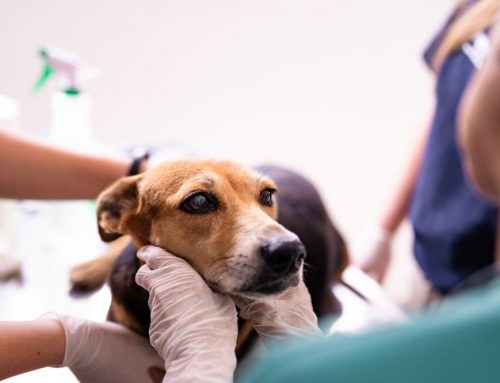
Expect the first few minutes to look busy: a temperature check, continued cooling, an IV catheter, a quick look at gums and blood pressure, all while someone is already drawing blood. That flurry is the plan working, not chaos.
- Controlled cooling: We bring the core temperature down at a safe, measured rate and stop before it drops too far, avoiding the overcooling rebound that happens when people go too aggressive at home.
- Volume replacement: Heat stroke wrecks hydration and blood pressure, so IV fluids restore circulation, support the kidneys, and help every organ that was starved during the crisis.
- Managing complications: We watch for the fallout, from clotting problems to organ stress, and treat each as it appears.
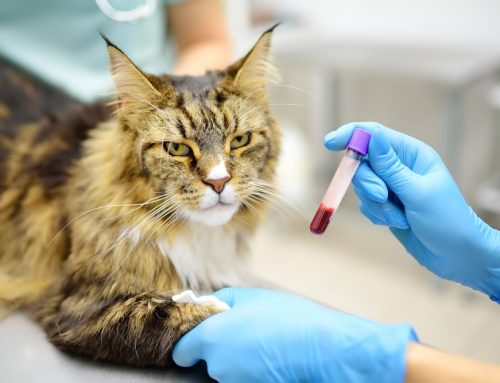
This is where our tools earn their keep. In-house bloodwork lets us check kidney and liver values, blood sugar, and clotting numbers within minutes, so we are treating what is actually happening instead of guessing.
Can Your Pet Look Recovered and Still Be in Danger?
A pet can absolutely look recovered and still be in danger, because the visible crisis and the internal injury run on different clocks. A pet who perks up after cooling can still be facing delayed organ damage after a heat event, with the kidneys, liver, heart, and gut all at risk of failing over the following one to three days.
The panting settles and the gums pink up, and everyone exhales, but the heat has already stressed tissues that will not show their injury for hours. That delayed picture can include a body-wide inflammatory reaction (SIRS), dehydration, heart rhythm changes, and gastrointestinal bleeding. One of the most dangerous of those hidden complications is disseminated intravascular coagulation, where the blood clots abnormally throughout the body and then loses its ability to clot at all, leading to internal blood loss. It is exactly the kind of problem that a pet at home cannot show you until it is far along.
This is the whole reason we push for observation after a heat event, even for a pet who is bouncing around and begging for dinner. Hands-on monitoring after a heat event with repeat bloodwork over the next day or two catches trouble while it is still fixable. When a pet looks recovered, the temptation is to skip the follow-up. Please do not.
Why Can’t Pets Cool Themselves Down the Way People Do?
Dogs and cats cannot sweat their way out of a hot afternoon the way we do. Their main cooling tool is panting, plus a little heat lost through the paw pads, and that tool stops working once the outside air is nearly as warm as their breath. At that point, breathing no longer cools them.
The size of that cooling surface is the real problem. A person can evaporate sweat across their entire body, while a pet’s whole cooling budget rides on the tongue and upper airway, a few square inches doing the work of our square feet. Humidity shrinks the margin even further, because damp air soaks up less moisture, which is why a muggy Fort Worth evening can be riskier than a drier, hotter afternoon.
Some pets start the race a step behind. For flat-faced dogs and cats, their short airways are already working against them, and carrying extra weight makes the panting that should cool them far less effective. The Bulldog, the Frenchie, the Pug, the Persian cat, and the Boston who snores from the next room are all moving less air with every pant to begin with. Other risk factors come into play, too: puppies and kittens have less reserve, seniors regulate temperature poorly, and a thick double coat traps heat like a parka. Underlying heart or airway disease shrinks the margin further.
Because that wiggle room is so different from one pet to the next, heat plans have to be personal. The senior Husky and the hairless cat living in the same house do not need the same rules. Building a heat strategy around your specific pet’s breed, age, weight, and health is exactly the kind of thing individualized preventive care is for, and it is a part of the conversation at our visits.

How Do You Stop a Heat Emergency Before It Ever Starts?
Most heat emergencies never have to happen, and heading them off is simpler than it sounds. Day to day, hydration and cooling aids do the quiet work of prevention, a portable water bottle, a mat that stays cool, a damp towel, and shaded rest breaks taken before your pet starts panting hard.
Most of this is small habits done on purpose. Build the breaks around your particular pet, not the clock: a Frenchie may need shade every ten minutes on a loop a Lab would barely notice, and a senior dog who handled last July just fine may need shorter outings this year.
Timing and safe activity. The single biggest lever is when you go out. Preventing heat stroke on hot days comes down to timing walks for early morning or after sundown, dialing back the intensity, and pressing the back of your hand to the pavement, because if it is too hot for your skin it is too hot for their paws. On a real Texas afternoon, the sidewalk can cook paw pads in seconds, so keep the midday outings short and shady. Cutting play short before your pet is desperate is not overprotective, it is just reading the room.
Never the car. This one is worth its own line because it kills pets every single year. A parked car can climb to 120 degrees within 20 minutes on an 85-degree day, and hot vehicles take pets’ lives every summer, even with the windows cracked. Leaving them down an inch does almost nothing. Not for a minute, not for one quick errand, not with the windows down. Just do not.
Indoor setup matters. Give them AC or a fan, shaded resting spots, access to cool tile or bathroom floors, and enough mental enrichment that they are not tearing around the house during peak heat. When it is too hot to go out, low-energy summer boredom busters tire a pet’s mind instead of their body, which is exactly what you want when overexertion is the thing you are trying to avoid. A few DIY enrichment toys like a frozen treat-stuffed toy or a cardboard-box snuffle game can turn a sweltering afternoon indoors into the best part of your pet’s day. If you want a plan built around your particular escape artist, our veterinarians are happy to talk through what actually keeps your pet settled and cool.
Frequently Asked Questions About Heat Stroke in Pets
Is my dog just hot, or is this actually heat stroke?
A hot dog pants, seeks shade, and settles down once they cool off and rest. Heat stroke does not settle. If panting keeps escalating instead of easing, the gums look bright red or muddy, the drool turns thick and ropey, or your dog gets wobbly, glassy-eyed, or nauseated, treat it as heat stroke.
When you are genuinely unsure, cool them down and call us. It is always better to ask about a pet who turned out fine than to wait on one who was not.
Why can’t I use ice or an ice bath to cool my pet fast?
It feels logical, but ice-cold water can make blood vessels near the skin clamp down, which actually traps heat in the core and slows cooling. It can also drop the temperature too far, too fast. Cool or tepid tap water on the belly, armpits, and paws, plus a fan for airflow, brings body heat down at a safer rate. Wet towels draped over the body are out too, since they trap heat rather than release it.
My pet seemed totally fine an hour after overheating. Do we still need to come in?
Coming in is still the right call even when your pet seems back to normal, and we know it is tempting to skip it. The dangerous part of a heat event is the internal damage to the kidneys, liver, heart, and clotting system that can surface over the next one to three days, long after your pet looks recovered. A quick check and some bloodwork let us catch problems while they are still easy to treat. A normal-acting pet with abnormal labs is exactly the pet these follow-ups are built to save.
Your Fort Worth Pet’s Game Plan for a Cooler Summer
Heat stroke is a genuine emergency, and it is also one of the most preventable ones we see. The pets who do well are the ones whose families read the early signs, adjust the walk times, keep water everywhere, and act in the first few minutes instead of waiting to see. Thoughtful routines are what let the hottest months stay fun instead of scary. That same measured, don’t-cut-corners attitude runs through the AAHA-accredited standards of care our whole practice works to every day.
If you have a senior pet, a flat-faced breed, or anyone who wilts the second July hits, book a summer wellness visit and we will build a heat plan around your specific pet. And if your pet has been in the heat and something feels off, reach out to our Fort Worth team right away so we can talk you through it or get you in the door.




Leave A Comment