

Here is something most new pet owners do not expect to hear: your adorable, freshly adopted puppy or kitten probably has intestinal parasites right now. Roundworms, hookworms, and other worms are incredibly common in young animals, and many puppies and kittens are born with them or pick them up through their mother’s milk before they even open their eyes. The good news is that a proper deworming schedule, combined with fecal testing and year-round prevention, clears these infections and keeps them from coming back. The key is knowing that deworming alone is not the whole picture.
At Animal Hospital Southwest, we approach parasite care the same way we approach everything else: thoroughly. We do not just hand out deworming medication and hope for the best. Our puppy and kitten wellness plans build deworming, testing, and prevention into a coordinated schedule from the start. Book an appointment or call us at (817) 292-8655 to get your new pet started on the right track.
Why You Cannot Wait for Symptoms
The biggest mistake people make with parasites is waiting until their pet looks sick before doing anything. By that point, the infection has had weeks or months to quietly do damage. The majority of infected puppies and kittens show no obvious symptoms, at least not early on. They play, eat, and act more or less normally while a growing worm burden competes with them for every nutrient they take in.
Intestinal parasites are genuinely very common in young pets, not a sign of bad ownership. The issue is that by the time a pet develops visible signs, the infection has already had real impact on their development. This is especially true in Texas, where a warm climate means parasites stay active year-round and opportunities for reinfection are constant.
What Parasites Actually Do to Young Pets
Puppies and kittens are hit harder by parasites than adult animals for a few specific reasons. Their immune systems are still maturing, their energy reserves are small, and every calorie they take in is supposed to be building bones, muscles, and a functioning immune system. A significant parasite burden diverts those resources.
Signs that can indicate a parasite infection:
- A round or bloated belly (the classic “potbelly puppy” look)
- Loose, soft, or irregular stool
- Diarrhea that does not resolve
- Poor coat quality or dull fur
- Slow weight gain despite a healthy appetite
- Visible worms or rice-like segments in the stool or around the rear end
- Low energy or falling behind littermates in development
The challenge: many infected pets show none of these signs until the burden is already significant. Roundworms and hookworms in particular are notorious for being present in large numbers with no outward clues.
The Most Common Parasites in Puppies and Kittens
Roundworms and Hookworms
Roundworms are the most common intestinal parasite in young pets. They can be transmitted from mother to offspring before birth or through nursing, which means puppies and kittens can arrive at their new home already infected. Roundworm eggs also persist in soil for years, making reinfection from the outdoor environment easy even after successful treatment.
Hookworms are smaller but cause a different kind of damage: they attach to the intestinal wall and feed on blood. In very young or small animals, a heavy hookworm burden can cause anemia and serious illness quickly.
Whipworms and Tapeworms
Whipworms primarily affect dogs and become more of a concern as puppies start spending time outdoors. They cause chronic, often intermittent digestive symptoms and can be tricky to catch because they shed eggs inconsistently, meaning a routine fecal test may miss them.
Tapeworms are usually acquired through flea ingestion, making flea control directly tied to tapeworm prevention. Flea life cycles are fast and relentless in a warm climate like Fort Worth’s, which is another reason year-round flea prevention matters well beyond just the itch factor.
Coccidia and Giardia: The Ones Standard Dewormers Miss
This is a point worth emphasizing. Coccidia and giardia are single-celled organisms, not worms, and standard deworming medications have no effect on them. They require different testing to find and different medications to treat.
Coccidia and giardia both cause watery diarrhea, dehydration, and poor weight gain. Both are particularly common in shelter and rescue environments, making early fecal screening especially worthwhile for pets that came from group settings. Giardia prevention involves picking up waste promptly and avoiding contaminated water sources. These are some of the clearest reasons why a fecal test matters alongside routine deworming, rather than instead of it.
Why Fecal Testing Is Not Optional
No single dewormer treats every parasite type. No single fecal test detects everything. This is why fecal testing is a core part of parasite care at Animal Hospital Southwest, not an add-on.
Routine fecal flotation identifies eggs from common worm species. More advanced testing, including antigen testing and PCR panels, improves detection for organisms that shed inconsistently or require specific identification. More advanced testing is particularly useful when:
- A pet came from a shelter, rescue, or boarding facility
- Multiple pets share a household and one has a confirmed infection
- A pet has persistent GI symptoms despite routine deworming
- Standard fecal testing has come back negative but symptoms continue
A negative fecal result after a single test does not guarantee a parasite-free pet. Our diagnostics include fecal analysis with results available quickly, which is especially helpful when a new puppy or kitten is showing symptoms and you want to know what you are dealing with.
The Deworming Schedule: Why Timing Matters
The reason deworming is repeated every multiple times is biological, not arbitrary. A single treatment eliminates adult worms currently present in the intestinal tract, but it has no effect on eggs, larvae, and immature stages still developing in tissues. By the time the next dose is given, those larvae have matured and are ready to be cleared.
The deworming schedule typically runs in parallel with vaccinations and wellness visits, which is exactly how our puppy and kitten wellness plans are structured. Rather than tracking it separately, it is all built into the same schedule at Animal Hospital Southwest so nothing slips through the cracks. Book a first visit to get your pet’s individual plan set up.
Year-Round Prevention: The Part That Keeps It From Coming Back
Clearing a parasite infection is step one. Keeping it from coming back is step two, and that requires monthly prevention year-round. Year-round parasite prevention is the current standard of care for a reason: in warm climates like Fort Worth, many parasites remain active throughout the year. Stopping prevention in winter creates real vulnerability.
Heartworm prevention is part of that picture. Heartworm disease is transmitted by mosquitoes and is present year-round in Texas. Regional parasite prevalence confirms that Tarrant County has consistent heartworm transmission, and gaps in prevention have consequences that can take years and significant expense to address.
At Animal Hospital Southwest, we recommend Simparica Trio for dogs as a comprehensive monthly option. Simparica Trio covers fleas, ticks, heartworm, roundworms, and hookworms in one monthly chewable, which simplifies the routine considerably compared to managing multiple products. For cats, we carry feline heartworm, flea, and tick options to keep indoor and outdoor cats protected.
Does Lifestyle Change the Risk Level?
Yes, significantly. Prevention and testing frequency should reflect how each pet actually lives.
Higher-risk scenarios:
- Regular outdoor access in yards, parks, or wooded areas
- Contact with other dogs or cats, especially in social settings like dog parks or boarding
- Hunting, scavenging, or roaming behavior
- Multi-animal households where one pet has a confirmed infection
- History of living in a shelter, rescue, or group housing
Lower-risk scenarios:
- Strictly indoor cats with no outdoor access
- Dogs with limited environmental exposure
Even lower-risk pets still benefit from annual fecal testing and year-round prevention, particularly in a region like Fort Worth where environmental parasite pressure is consistent. It is not about being overly cautious; it is about being informed.
Protecting Your Household: Zoonotic Parasites Are Real
Several common pet parasites are zoonotic, meaning they can infect people. Children and immunocompromised individuals are at the highest risk. Roundworms and hookworms from pets are the most common sources of zoonotic transmission in the U.S.
Practical household steps:
- Pick up pet waste promptly and seal it before disposal
- Wash hands thoroughly after handling pets, especially before meals
- Keep children from putting soil or outdoor objects near their mouths
- Supervise young children in sandboxes, which can be contaminated by outdoor cats
The good news: keeping your pet on consistent monthly prevention dramatically reduces the environmental contamination that drives human exposure. A well-protected pet is a safer household member.
What to Expect at a Deworming Appointment
Deworming visits are quick and low-key. Here is how they typically go:
- Weight check: Accurate dosing requires knowing your pet’s current weight.
- Brief physical exam: We check overall health, look for visible signs of parasites, and flag anything that warrants attention.
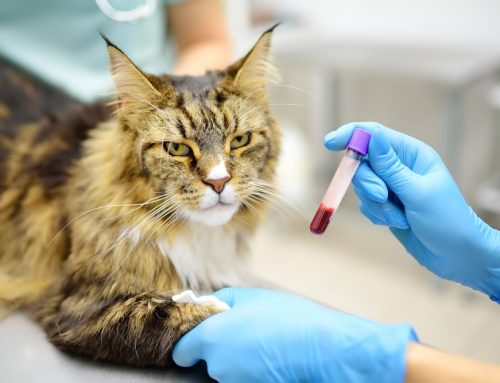
- Fecal testing if due: We collect or have you bring a fresh sample (less than 24 hours old), analyze it in-house, and go over the findings with you.
- Deworming medication administration: Given based on species, age, weight, and what the fecal test shows.
- Review of your prevention schedule: We confirm what product you are using and make sure you are on track.
It is a short visit with a big payoff. If you have questions afterward, whether about side effects, stool changes, or what the fecal results mean, contact us and we will walk you through it.

Frequently Asked Questions About Deworming Puppies and Kittens
How do I know if my puppy or kitten has worms?
The most visible signs are a round or bloated belly, loose stool, poor coat, slow weight gain, and visible worms or segments in the stool or around the rear end. That said, many infected pets show none of these signs. The only reliable way to know is a fecal test.
Can I use over-the-counter dewormers from the pet store?
Over-the-counter dewormers generally cover a limited range of parasites and do not include fecal testing to confirm what is actually present. They are not designed to replace a full parasite management plan. Starting with a proper workup saves time and makes sure the right medication is used for the right parasite.
Do indoor cats need deworming?
Yes. Indoor cats can acquire parasites through prey (even indoor hunting of insects), contaminated litter boxes, and via other pets in the household. Fleas, which can enter on clothing or shoes, carry tapeworm larvae. Indoor status reduces risk but does not eliminate it.
How quickly will I see results?
Most dewormers work within 24 to 48 hours. It is normal to see dead worms in the stool after treatment. A follow-up fecal test confirms clearance, usually scheduled a few weeks after the final early-life deworming dose.
How often should fecal testing be done after the puppy/kitten series is complete?
For pets with regular outdoor exposure or social contact with other animals, annual fecal testing is a reasonable baseline. Pets with higher exposure may benefit from testing twice a year. We will recommend a schedule based on your pet’s specific lifestyle during wellness visits.
Building the Right Plan From the Start
The framework for keeping your puppy or kitten parasite-free is straightforward: testing to see what parasites your pet may be carrying, repeated deworming treatments clears the existing infection, monthly prevention stops reinfection, and regular fecal testing confirms everything is working. What makes the difference is having those things coordinated and tailored to your individual pet, factoring in where they came from, where they live, and how they spend their time.
At Animal Hospital Southwest, we have been building these plans for Fort Worth pets for over 40 years. Every new patient gets a personalized protocol, not a generic checklist. Our AAHA accreditation means our standards are evaluated against the highest benchmarks in veterinary medicine, and that applies to parasite care as much as anything else.
If you have a new puppy or kitten, or if your current pet is overdue for fecal testing, book an appointment and let’s get started.







Leave A Comment