

Yesterday, everything was normal. Today, your energetic pup ignores the leash, skips playtime, and spends most of the day sleeping. A nap here and there is expected, but when fatigue lingers, it may signal something more serious. Lethargy is one of the most common reasons owners seek veterinary care, and because it can be caused by so many conditions, it should never be ignored.
At Animal Hospital Southwest in Fort Worth, our team helps pet owners tell the difference between a harmless lazy day and the kind of tiredness that signals a health problem.
What Lethargy Really Means
Lethargy is more than your dog enjoying a lazy afternoon. It is defined as a marked decrease in energy or enthusiasm, often paired with weakness or slower responses. A dog who is lethargic may sleep more, show little interest in food or toys, or struggle to rise from rest.
Signs of lethargy in dogs can vary, but the key difference is persistence. If your dog seems unusually tired for more than a day or two, or if you notice additional symptoms, it’s time for a closer look.
When Lethargy Is a Red Flag
Some cases of lethargy resolve on their own, but there are situations where it is a clear warning sign of illness. Call your veterinarian promptly if your dog’s low energy is accompanied by:
- Refusing food or water, especially if your dog stops eating entirely
- Vomiting or diarrhea, which can lead to dehydration
- Labored or noisy breathing
- Sudden weakness or collapse
If your dog is a puppy or senior, or has pre-existing health conditions, even short periods of lethargy should be taken seriously.
Common Causes of Lethargy in Dogs
Lethargy is not a diagnosis but a symptom with many possible explanations. Identifying the underlying cause is key to helping your pet recover. Below are some of the most frequent reasons veterinarians see tired, low-energy dogs.
Infections
Illnesses that trigger fever, immune response, or dehydration can sap your dog’s strength. Viruses such as canine parvovirus and gastrointestinal inflammation like pancreatitis commonly cause profound fatigue. Even less severe infections, such as urinary tract infections, can make your dog sluggish until treated.
Hormonal Disorders
Endocrine conditions disrupt normal energy balance. Hypothyroidism in dogs slows metabolism, leading to weight gain, hair coat changes, and persistent tiredness. Diabetes in pets interferes with how the body processes sugar, causing weakness, weight loss, and excessive thirst or urination.
Organ Disease
When vital organs are under strain, lethargy often appears early. Dogs with chronic kidney disease may also show increased thirst, appetite changes, or weight loss. Liver dysfunction reduces the body’s ability to clear toxins, which can result in depression, confusion, or decreased activity.
Heart Conditions
The heart supplies oxygen to every organ, so when it struggles, energy levels drop. Signs of heart disease in dogs include coughing, labored breathing, exercise intolerance, and sudden fainting. Common causes include mitral valve disease in small breeds and dilated cardiomyopathy in large breeds.
Blood Disorders
Conditions that reduce red blood cell levels limit oxygen delivery to the body. Anemia in dogs often results from blood loss, bone marrow disease, parasites, or chronic illness. Dogs may appear pale, weak, or unable to exercise as usual.
Cancer
Many cancers produce fatigue, either from the cancer itself or from related issues like anemia, decreased appetite, or pain. Lethargy is one of the most common early warning signs of cancer in pets, making any unexplained or prolonged tiredness important to check out.
Digestive Problems
A dog that eats something unusual may become lethargic due to discomfort, dehydration, or toxin absorption. Gastrointestinal foreign bodies such as socks, toys, or bones can block digestion and quickly become life-threatening. Vomiting, diarrhea, or abdominal pain often accompany the fatigue.
Dental Disease
Oral health affects the entire body. Dental disease in dogs can lead to chronic pain, bacterial infection, and systemic illness. Dogs with severe tartar, broken teeth, or gum disease may eat less and seem more tired, all while hiding signs of oral discomfort.
Arthritis and Pain
Pain is one of the most overlooked reasons for lethargy, especially in seniors. Dogs with arthritis often appear “slowed down” rather than obviously limping. Stiffness after rest, reluctance to climb stairs, and reduced playfulness are subtle signs of mobility problems in dogs. Effective treatments are available, including targeted pain relief with Librela for dogs, which can restore energy and improve comfort.
How Veterinarians Diagnose Lethargy
Because lethargy has so many possible causes, diagnosis often requires a thorough approach.
- Physical exam and history: Vets look for fever, pain, or abnormalities during the exam and consider recent changes in appetite or activity.
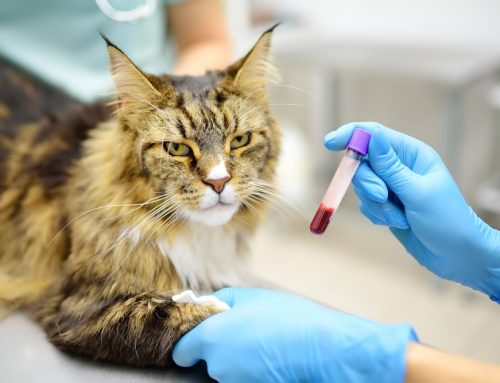
- Blood work: Routine blood testing checks for infection, anemia, thyroid disease, diabetes, and organ function. Additional screening like urinalysis, blood pressure checks, and advanced panels help catch subtle changes early in older dogs.
- Imaging: Diagnostics such as X-rays and ultrasound can identify tumors, enlarged organs, or causes of pain.
This thorough process ensures your veterinarian uncovers the underlying cause and can tailor a treatment plan accordingly.

Supporting Senior Dogs
Aging itself is not a disease, and while older dogs may nap more, persistent lethargy should never be dismissed as “just old age.” Senior pet health problems often present subtly, and lethargy is one of the first signs that something is wrong.
That’s why we emphasize senior pet care at Animal Hospital Southwest. From arthritis support with Solensia and Librela, to routine screenings that detect kidney disease or heart conditions, we help senior pets stay active and comfortable.
Personalized Care in Fort Worth
Our hospital has served the Fort Worth community for more than 40 years. We are AAHA accredited, which means we meet the highest standards in veterinary care. Our team takes pride in combining advanced medicine with down-to-earth, approachable service.
We handle everything from routine checkups to pet emergencies. If your dog is lethargic and you’re unsure whether it can wait, call us first. We can talk you through what you’re seeing and prepare for your arrival if it’s urgent.
What to Do Next if Your Dog Is More Tired Than Usual
All dogs need rest, but ongoing lethargy is not normal. It is a signal that your pet’s body is under stress, whether from pain, infection, or chronic disease. The sooner the cause is identified, the more options there are for effective treatment.
If your dog seems unusually tired, especially if you notice other symptoms such as changes in appetite, vomiting, or stiffness, schedule a veterinary exam. Our experienced team is ready to help you get answers and relief for your pet.
Make an appointment today through our online booking tool or contact us directly. Quick action saves lives, and your best friend deserves nothing less.






Leave A Comment